What are REACH and RoHS?
Is your organization RoHS and REACH compliant? And what is REACH vs RoHS? These directives were originally designed to prioritize the safety of people. RoHS (Restriction of Hazardous Substances) is a European Union (EU) directive restricting the use of hazardous substances in electronic products.
It was introduced in 2003 to protect human health and the environment from potential harm. This harm can be caused by substances such as lead, mercury, cadmium and hexavalent chromium. This directive aims to reduce the use of hazardous substances in electronic products and encourages using safer alternatives.
Medical devices, such as dialysis machines, heart monitors, etc., are some of the products that RoHS applies to.
REACH (Registration, Evaluation, Authorization and restriction of Chemicals) is another EU regulation governing the use of chemicals in products. In 2007, it was created to replace several existing EU regulations. REACH aims to ensure chemicals used in products are appropriately registered, evaluated for potential risks and adequate measures are taken to protect human health and the environment. The REACH regulation applies to all chemicals used in the EU, regardless of whether they are produced within the EU or imported from outside and includes:
-
- Chemicals: solvents, pigments, adhesives, etc.
-
- Consumer goods: textiles, toys, cosmetics, etc.
-
- Pharmaceuticals: prescription drugs, over-the-counter drugs, etc.
-
- Industrial equipment: machinery, process equipment, etc.
-
- Electronic goods: computers, mobile phones, televisions, etc.
-
- Building and construction materials: paints, adhesives, insulation, etc.
-
- Agricultural products: fertilizers, pesticides, etc.
-
- Transport products: cars, aircraft, ships, etc.
-
- Aerospace products: aircraft, satellites, etc.
-
- Defense products: military equipment, weapons, etc.
It’s important to note that REACH vs RoHS regulations constantly evolve, so staying updated on the latest requirements is essential.
Why are RoHS and REACH Compliance Important?

Complying with RoHS and REACH regulations is crucial for companies that sell products in the European Union. In addition, there are many positive aspects of limiting or eliminating the restricted substances outlined in these regulations below.
Demonstrates Commitment to Sustainability & Responsible Manufacturing Practices
RoHS and REACH compliance shows a company’s commitment to sustainability and responsible manufacturing practices. Ensuring products are free from hazardous substances and adequately registered and evaluated for potential risks, shows companies care about their product’s impact. Not only on the environment, but also human health. This helps build trust with consumers and creates a positive reputation for the company.
Helps Ensure Product Safety
REACH and RoHS compliance helps make products are safe for consumers. RoHS restricts the use of hazardous substances in electronic products, while REACH establishes that chemicals used in products are properly evaluated for potential risks. By making sure products meet these regulations, companies can be confident they are selling safe and sustainable products.
Avoids Financial Penalties & Reputation Damage
Failure to comply and not become RoHS and REACH compliant can result in sizeable financial penalties and damage a company’s reputation. The EU takes these regulations very seriously, and companies found in breach of them may face heavy fines.
What Can Companies Do to Ensure RoHS and REACH Compliance?
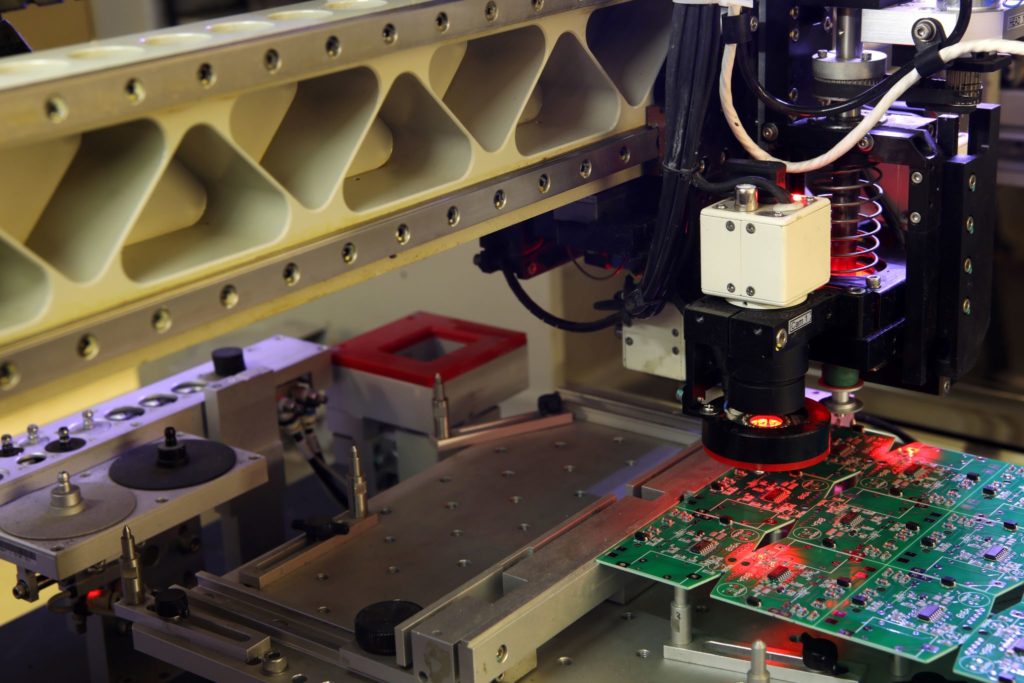
1. Conduct a Hazardous Substance Audit
The first step to ensure RoHS compliance is to conduct a hazardous substance audit. This would help identify if any substances used in the manufacture of a company’s products are governed by RoHS regulations.
2. Evaluate Your Supply Chain
REACH regulations apply to all chemicals used in the EU, regardless of whether they are produced within the EU or imported from outside. Evaluate your supply chain to guarantee all chemicals used are properly registered and assessed for potential risks in accordance with REACH regulations.
3. Implement a Tracking System & Monitor Compliance
Companies should implement a system for tracking and monitoring compliance with RoHS and REACH regulations. It should include processes for regularly reviewing the compliance status of products, suppliers and procedures for addressing any non-compliance issues identified.
4. Work with a Testing Laboratory
To make sure products comply with RoHS and REACH regulations, companies will often work with testing laboratories to conduct audits and provide certification.
5. Regularly Review Compliance Status
Finally, aim to regularly review your compliance status with RoHS and REACH regulations. By doing this, you can continue to meet these regulations over time. This may involve conducting regular hazardous substance audits and supply chain evaluations while staying up to date with any changes to the rules.
These are just some of the many reasons you should work with an EMS strategic partner. Your partner should be capable of supporting and documenting ROHS and REACH compliance, while minimizing your risk as you take products to market globally. Our expert engineering team is here to assist you every step of the way.
Contact Nortech Systems today to learn more about our Quality Management and get RoHS and REACH compliant today.